


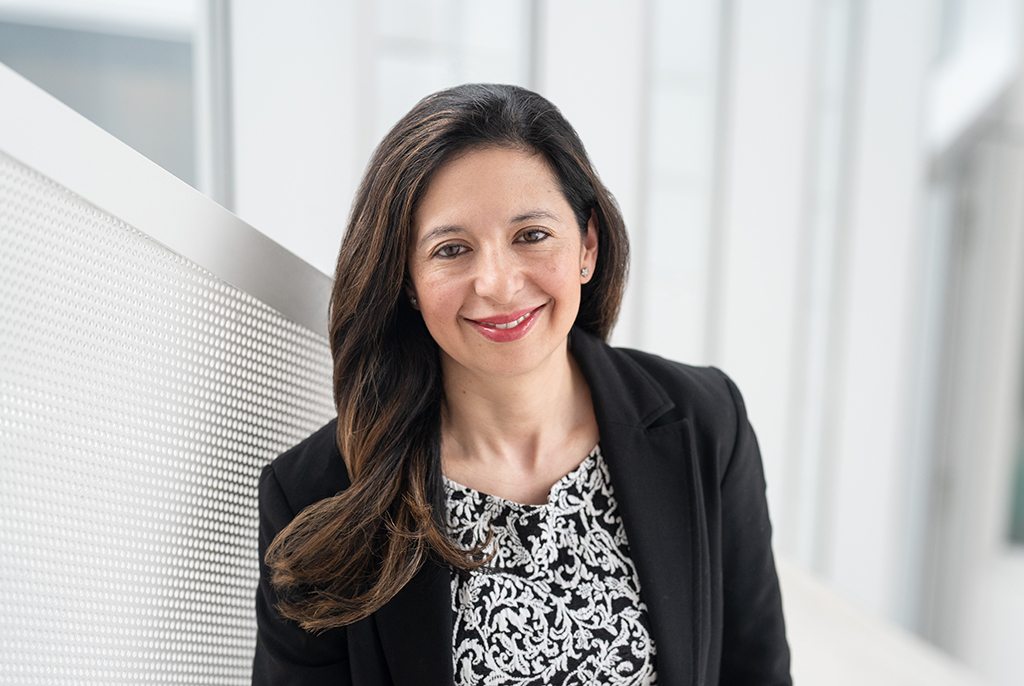
Nadia Karina Ponce Morales, Sustainable Development Coordinator at HEC Montréal
2 minutes

Emilie Vallières
- © HEC Montréal
- c
2 minutes
Emilie Vallières
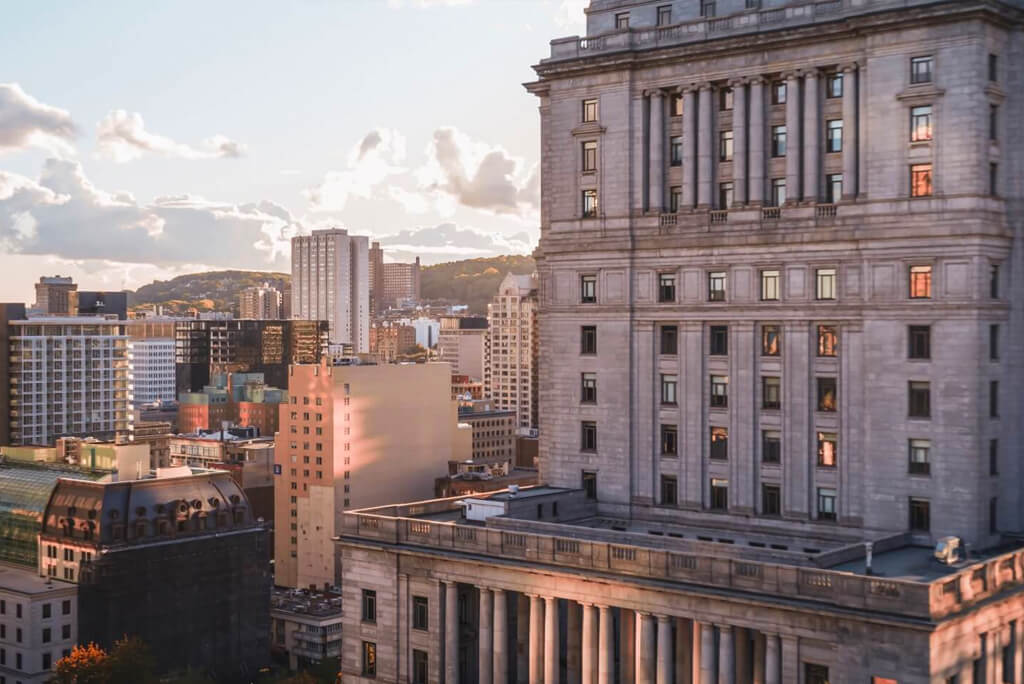
HEC Montréal is back in the downtown core, with a new LEED building located next to Victoria Square. What is your role as Sustainable Development Coordinator?
My role touches upon the building’s social dimension. We often talk about sustainable development from an environmental perspective, without considering the social impacts.
We want to sit down with organizations such as Carrefour jeunesse emploi and the Community Council—organizations that are very aware of the inclusion and sustainability issues our downtown core is experiencing as a result of the pandemic.
Our goal is to come up with solutions with them. The challenge is to create a network of knowledgeable allies that can help us deal with the issues affecting our business community and organizations.
Would you say that the students at HEC Montréal also have a social role to play when it comes to the challenges our city will face in the future?
Our students have a lot of expertise. In fact, we work hard at connecting our students, our community of researchers, and our community at large, hoping to foster knowledge transfer. HEC Montréal has a lot of experience in management, which is a major asset when it comes to developing sustainable relaunch strategies. Our mission is to use our expertise to train responsible management leaders who are actively involved in their community. It’s important for us to bring this mission to life. Due to various factors, such as heat islands, the downtown core is facing an epic challenge: climate change. Many technological changes, as well as resilience and adaptation will be necessary to overcome it. The solutions we come up with need to be inclusive and reach all areas of society.It’s so complex that we need to mobilize our entire university community, as well as our partner communities.
What motivates you to have hope for the future, despite climate threat?
The common thread in my professional career is skill building. I don’t show up with ready-made solutions.I help local communities come up with solutions that work for them. Every day, I see students come to school with new projects and ideas. It’s very stimulating to guide them in their work and give them the motivation they need to contribute to the development of their communities.


